Bark, cold air and standing water at 5,000 feet
Snow can lie here into April, and you can reserve five nights on the cedar plateau above Ifrane
Five nights in old growth cedar, from $1,180 per person, two sharing a double room. This is the upper half of the line that runs from the cedar plateau down to the Ziz gorges, and it is reserved on its own as readily as with the rest. April to October is the window: snow can still be lying when you arrive in April, and by August this is the one cool place for a long way.
Reserve this with the officeNothing is charged here. The form stays open at any hour and a person writes back inside one working day.
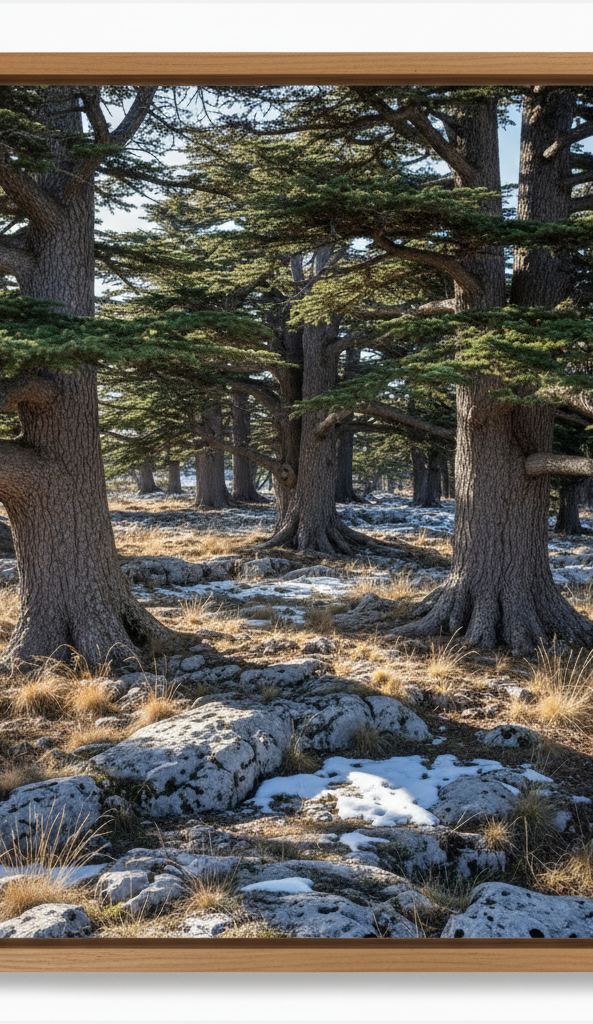
Cedar, water and a cold plateau
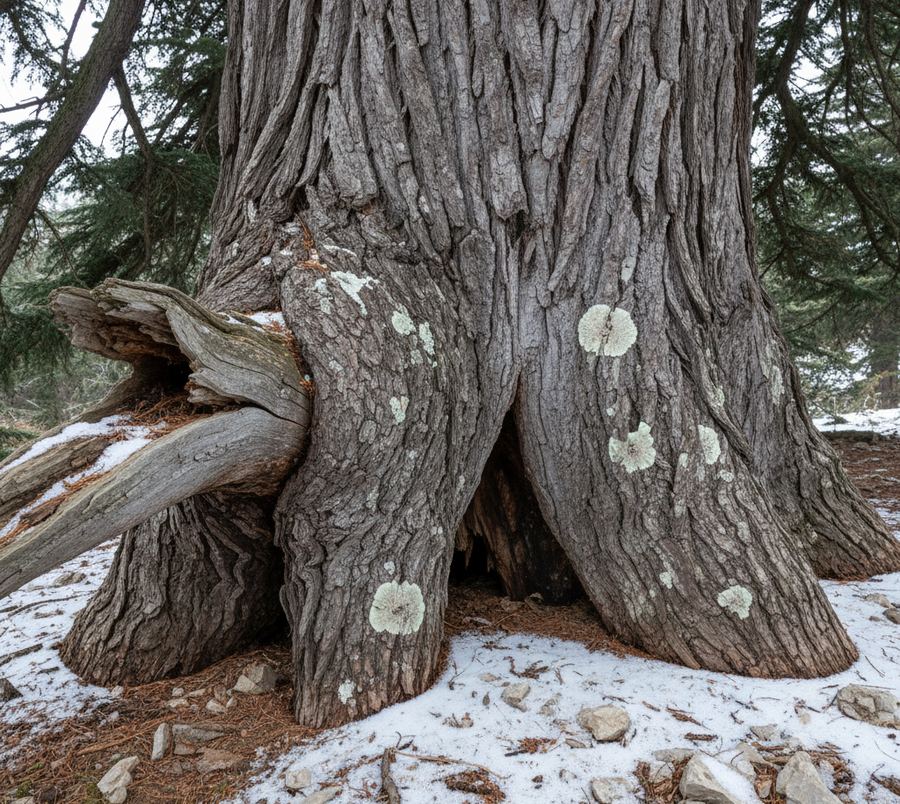
The plateau sits at about 5,300 feet, and the thing that makes it is the cedar: trees several centuries old, trunks you cannot reach around, standing far enough apart that you walk between them rather than through scrub. Underneath is limestone, and limestone makes water behave oddly, so the plateau holds a scatter of small dark lakes with no rivers running out of them and springs that come straight out of rock faces. Ifrane itself is a small upland town built in the 1930s with steep pitched roofs, which looks nothing like the rest of the country and is a fair measure of how much snow lands here. Barbary macaques live in the forest. You may meet a troop; you may meet none.
Hours between the lakes and the forest
A day is mostly on foot and mostly flat, which is welcome at this altitude. Typical mornings run three to six miles on forest tracks, out to one of the lakes and around it, with a stop at whichever spring is running. Afternoons are shorter: a walk through the town, the market on its day, and a long sit somewhere out of the wind. Two evenings are set aside for going back in among the trees at last light, when the air changes and the smell of the cedar is strongest. Nothing here is timed to the minute. If it rains hard, and it does in April and again in November, the day moves into the town and the walk is taken the next morning instead.
Ninety minutes from the last city
The move mark on this segment is 1, the lightest anywhere on this site: the drive up from the plain takes under two hours. You leave a hot low city, climb through olive ground and then through pine, and the temperature drops far enough that anyone who packed for the plain gets a shock. That is the entire travel cost of arriving. It matters more than it sounds, because day one is a real day rather than a recovery, and you can be out among the trees the same afternoon you get here. The company operating the trip drives that stretch. If you take this segment by itself, you meet them at the agreed point down on the plain.
Where the $1,180 goes
From $1,180 per person, two sharing a double room. Inside the figure: five nights of accommodation on or beside the plateau, breakfast daily, the drive up and the ground moves through the five days, forest and lake access charges, and a guide on three of the days. Outside it: getting to the country, lunches, dinners, drinks, anything personal, anything you add yourself. This office bills you nothing at all. The operating company invoices you in its own name and pays us a commission once you have travelled, which is the whole of how we earn. We hold no card details. The two segments together, cedar plateau plus gorges, come to $2,520 for ten nights: $1,180 and $1,340, added, with nothing removed.
| Nights | 5 |
|---|---|
| From | $1,180 per person, two sharing |
| Move into it | under two hours |
| Part of | Middle Atlas descent |
| Taken alone | Yes. Nothing obliges you to take the rest of the line. |
| Inside the figure | Rooms, the ground arrangements named on this page, and the local operating company's own charges. |
| Outside the figure | Getting to the country, meals not named above, anything personal, and anything you add later. |
Asked before people commit
Will there be snow when I come?
Sometimes, and we will not promise it. Snow lies on the plateau through most winters and often into April, and in a thin year it has gone by late March. Nobody can tell you in advance which year you have reserved. What holds either way is the forest, the lakes and the cold nights, so the walking works with white ground or without it.
Could I do this as a day out instead of five nights?
Not through us. We reserve the five night segment as the operating company runs it, and it is built around being up on the plateau at the start and the end of the day, which no day out can give you. If five nights is more than you want, look at the second segment of the line rather than at a cut down version of this one.
Do you handle entry rules, vaccination or insurance?
No, and we will not give you an opinion on any of them. This office does not sell insurance, does not advise on visas or passports, and says nothing about vaccination or health rules. Those belong to the relevant authority and to a licensed adviser. We can tell you the dates, the altitude, the nights and the figure, and that is the honest limit of what we know.
Segment 1 of 2 on Middle Atlas descent
You can take this segment on its own and leave the rest of the line alone. Nothing here obliges you to walk the whole thing, and the figure for one piece is the figure for one piece.
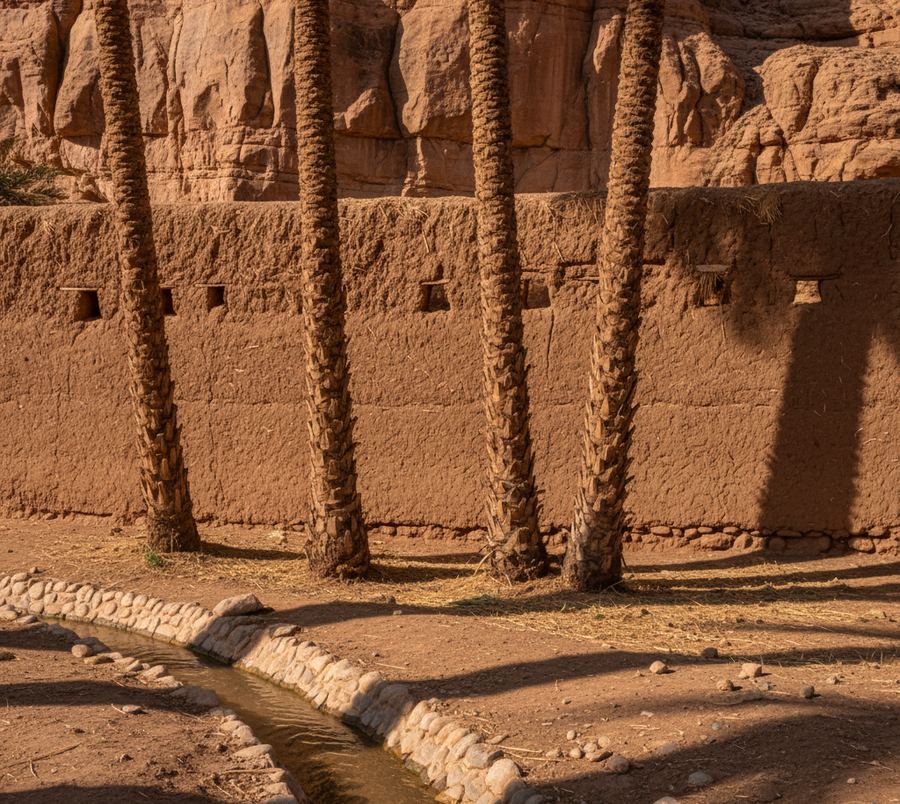
Reserve one segment, or a whole line
This form is open at any hour, and whatever reaches it is read by a person who answers inside one working day. Nothing you send commits you, and no figure is charged at this end at any point.